
GOLCONDA DIAMONDS, PRIVATE TRANSACTIONS
The Golconda diamond mines of India occupy an unmatched position in the history of fine diamonds. For centuries, these alluvial deposits supplied the world with diamonds of extraordinary purity, transparency, and character—stones that later became known collectively as “Golconda diamonds.” However, the Golconda mines were largely depleted by the early eighteenth century, and for more than three centuries, no meaningful commercial production has entered the global diamond supply circuit. As a result, authentic Golconda diamonds today are finite, historically charged, and exceptionally rare.
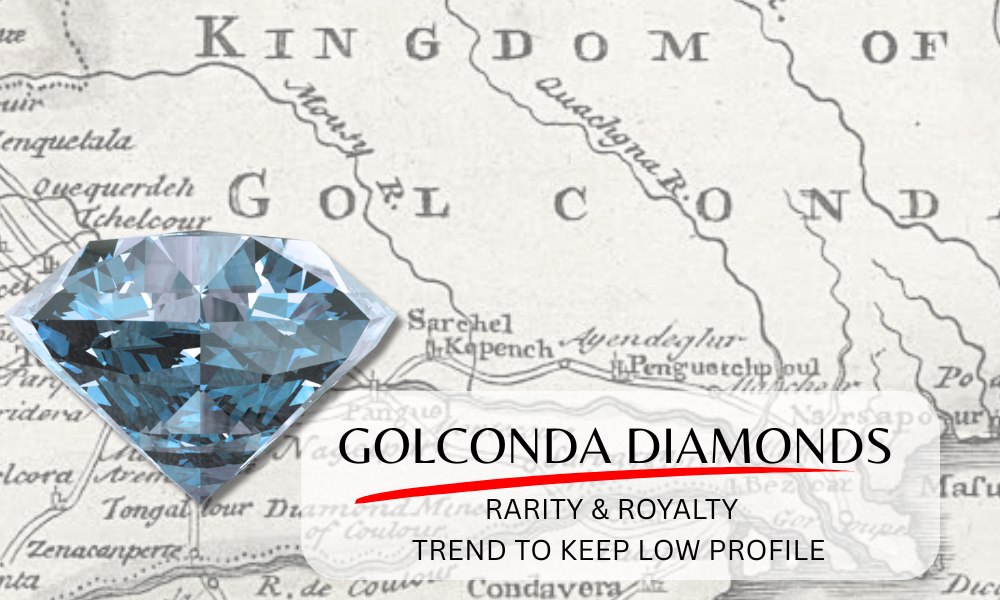
In the modern diamond market, fine diamonds from Africa—particularly South Africa, Botswana, and West African countries—have become the backbone of global supply. Auction houses, collectors, and high-net-worth buyers have invested substantial effort in building prestige and desire around large diamonds from these regions. This effort has been largely successful, with record-breaking auction prices achieved for exceptional stones of African origin. Yet, despite these achievements, Golconda diamonds continue to hold a near-mythical status that no other source has fully replicated.
Occassionally, renewed discussion about a Golconda diamond that has never been publicly traded or auctioned reignites attention across the professional diamond world. When this occurs, gemologists, collectors, historians, and elite buyers instinctively redirect their focus back to Golconda. These moments serve as reminders that Golconda diamonds represent not merely precious stones, but historical artifacts tied to royal treasuries, dynastic wealth, and centuries-old trade routes.
In recent years, two such diamonds have generated notable interest: the Golconda Blue Diamond and the Seraphim Blue Diamond. While neither has been offered for public sale or auction, both have contributed significantly to renewed discourse around Golconda-origin stones and the evolving ways in which ultra-rare diamonds are traded.
The Golconda Blue Diamond became a subject of intense discussion following reports of a planned auction that was subsequently canceled. The diamond was at one time owned by the Holkar royal family (India). Although details for the cancellation of the Golconda diamond auction remain limited and carefully controlled, the very existence of a large blue diamond attributed to Golconda provenance was enough to capture global attention. Blue diamonds are already among the rarest color categories, and when combined with Golconda origin, the resulting intrigue is immense. The cancellation of the auction only heightened speculation, reinforcing the idea that some owners may prefer discretion over public exposure.
Similarly, the Seraphim Blue Diamond has emerged as a name that resonates strongly within specialist circles. Believed to be a historic Golconda blue diamond that has never been publicly auctioned, the Seraphim Blue Diamond has been discussed primarily in academic, online circles, and private collector contexts. Its reputation rests not on market exposure, but on reported characteristics such as exceptional color, historical lineage, and restricted ownership history. Like the Golconda Blue Diamond, its absence from public sale has arguably amplified its mystique. The diamond was part of a scintillating turban ornament, worn by Asaf Jah I the first Nizam of Hyderabad (1724).
These examples could highlight an important shift in how ultra-rare diamonds may be positioned in the future. Traditionally, major auction houses have been the primary platforms for establishing record prices, legitimacy, and global recognition. However, auctions also bring intense public scrutiny, media exposure, and market speculation. For some owners of historically significant diamonds—especially those with Golconda provenance—such exposure may not align with their objectives.
Commercial diamond buyers and market observers have started questioning whether this, signals the beginning of a broader trend. Private sales offer confidentiality, controlled valuation, and the ability to negotiate directly with a select group of qualified buyers. For diamonds that are truly irreplaceable, the perceived risks of public auctions—such as overexposure, unpredictable bidding outcomes, or other challenges to narratives—may outweigh the benefits.
From a strategic perspective, maintaining a low profile can enhance long-term value. A diamond that remains unseen and untraded retains an aura of exclusivity that no marketing campaign can replicate. In the case of Golconda diamonds, scarcity is absolute; no future supply can dilute their legacy. As a result, withholding such stones from the public market may be viewed as an act of preservation and value appreciation, rather than restraint.
That said, public auctions are unlikely to lose relevance entirely. They remain powerful mechanisms for establishing benchmarks and generating global excitement. What appears more plausible is a dual-track future, where historically important diamonds—particularly those with royal or Golconda associations—are increasingly handled through private channels, while other exceptional stones continue to shine under the auction spotlight.
QUICK NOTES
In conclusion, the renewed attention surrounding the Golconda Blue Diamond and the Seraphim Blue Diamond underscores the enduring magnetism of Golconda-origin diamonds. Their continued absence from public sale has only strengthened their allure. Whether this marks the beginning of a sustained shift toward private transactions remains to be seen, but it is clear that discretion, rarity, and historical significance are once again shaping the highest tier of the diamond market. The near future will reveal whether, secrecy becomes the preferred strategy for safeguarding the world’s most legendary diamonds.