Gems, jewelry, and diamonds have captivated humanity for centuries—not just for their beauty, but also for their symbolism, rarity, and historical significance. Many ancient civilizations, from the Egyptians and Greeks to Indian royalty and European nobility, adorned themselves with precious stones as a sign of power, status, and spirituality.
Even today, historic jewels and famous diamonds—such as the Hope Diamond, the Koh-i-Noor, or the Cullinan—remain objects of fascination. Prestigious auction houses like Christie’s and Sotheby’s frequently see historic pieces fetching millions, often accompanied by rich stories about royalty, legends, and craftsmanship of bygone eras.
The historic claddagh ring had a very humble beginning, it did not relate to royalty and wealth. The ring was first made four centuries ago by a fisherman turned slave. The ring is today regarded as one of the most meaningful jewels in history.

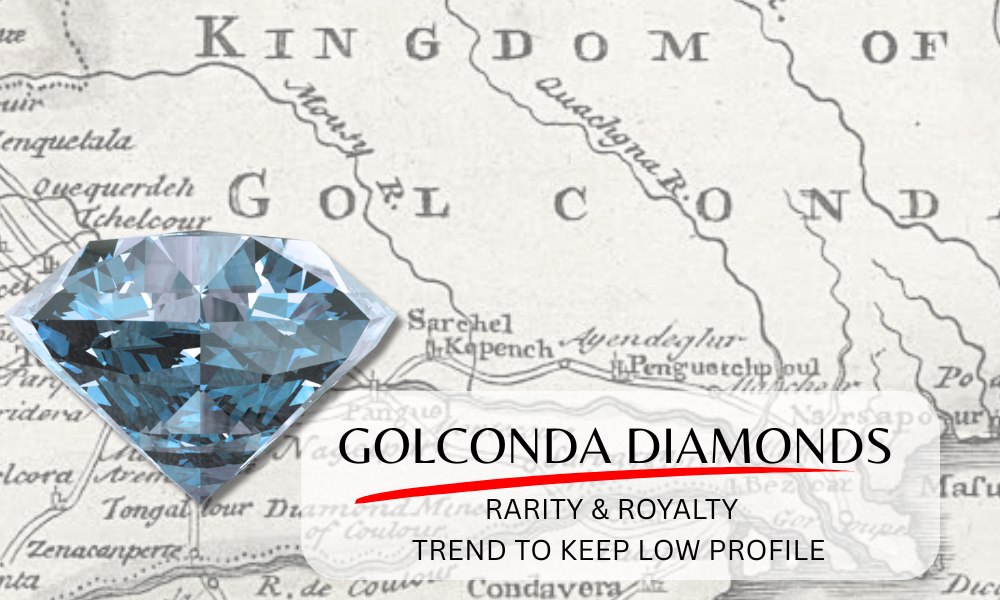
Gems and diamonds from India have historically made it to royal treasuries across the globe. Fine kashmir sapphires and diamonds from the Golconda region, made an impact with royals and artistocrats far beyond the Asian continent. Kaisilver files this interesting report, amazing facts ... more.

The prices of natural diamonds have for a few years, shown a downard trend. The demand for lab diamonds wich where sold using powerful marketing strategies rose and buyers, decided to go for modestly priced lab created diamonds. But as supply of lab diamonds kept rising, significant price drops of these diamonds were observed. This seems to be the point, when the price of natural diamonds, has stabilized - no violent price fluctuations are expected to occur in the next few years, the report ... more.

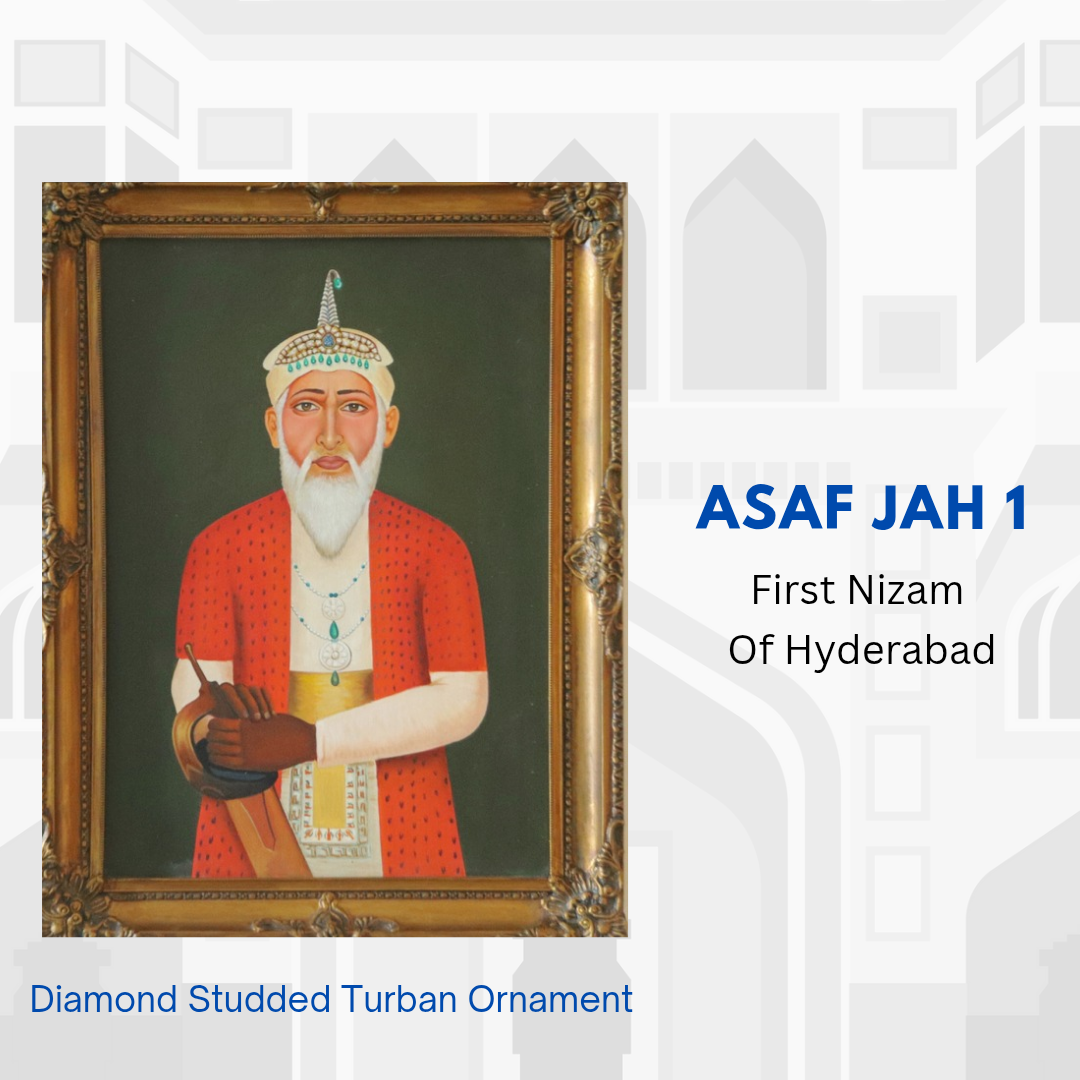
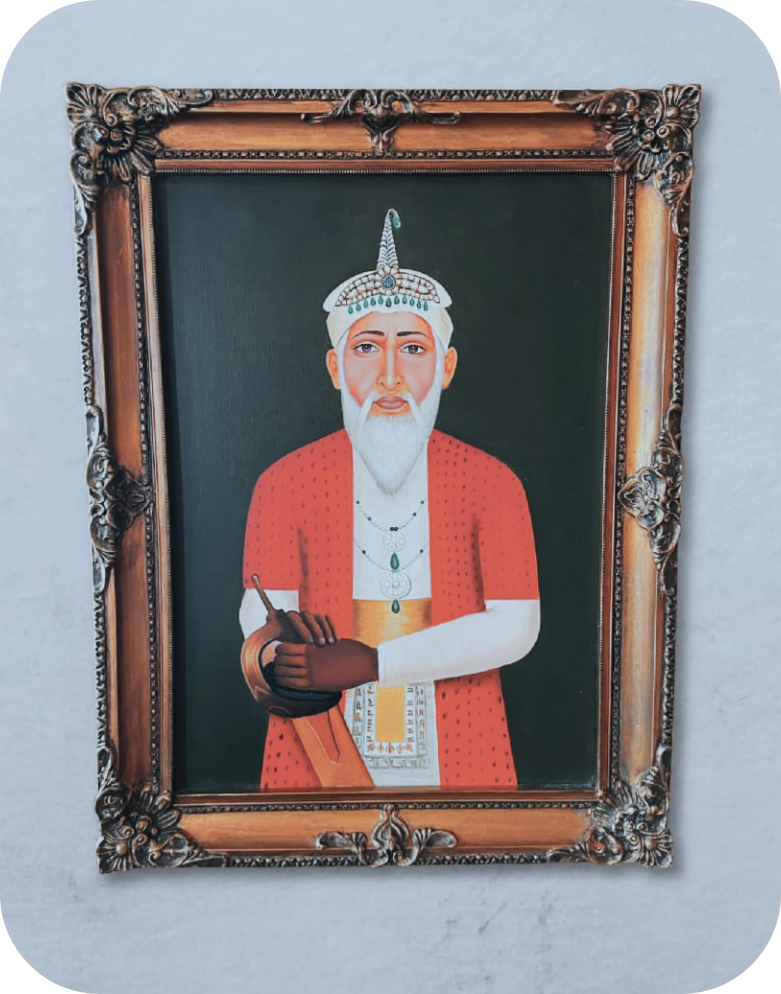
Controlling the resourceful Golconda diamond mines in India, the Nizams of Hyderabad happened to be one of the wealthiest ruling dynasties. Stories of missing precious Nizam jewels like the diamond studded turban ornaments, still fascinate collectors ... more.

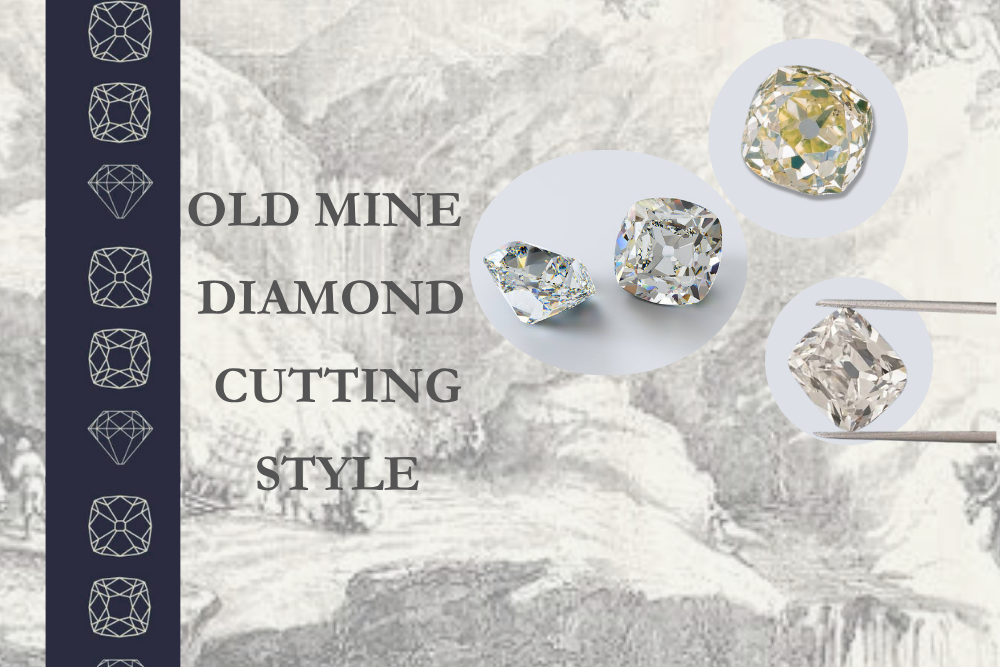
The old mine diamond cutting style relied on human skills and basic tools. Symmetry was often compromised in the case of the old mine cutting style. Golconda diamonds with an old mine cut, are highly sought after. Read details in this report ... more.

Royal turban ornaments in India were more than just decorations, they would often symbolize power, position and status. The Nizams are believed to have some of the finest turban ornaments in history. The best of precious gems and diamonds from the Golconda mines, were often incorporated into intricately designed and finely crafted turban ornaments. Read more in this report more.

A growing trend for private and low profile sales of historic assets including historic diamonds, is clearly visible. Such transactions are ideally supported by the buyer and selling, choosing to stay out of the limelight. Terms of sale, owner details and the price of the sale transaction, are all confidential ... more.

Extreme rarity and historic royal connections of Golconda diamonds, seem to be encouraging owners of diamonds from the Golconda mines, to keep transactions and transfers private. High profile auctions and publicly touted sales, do not seem to be favored by Golconda diamond owners ... more.
Here is your 200-word report:
Experts from Kaisilver, the leading online custom made jewelry provider, emphasize that authentication is critical when dealing with gems, diamonds, and jewelry with a long historical background. Such pieces often carry not only material value but also cultural and historical significance, making accurate verification essential.
Kaisilver explains that reputed gemological laboratories play a vital role in this process. These institutions combine advanced technology with highly specialized expertise to evaluate gemstones. Modern equipment enables precise analysis of physical and chemical properties, helping to confirm origin, age, and authenticity.
Beyond technical testing, Kaisilver notes that authentication may also involve assessing historical claims associated with a piece. While stories of royal ownership or legendary origins can enhance value, they must be carefully verified through scientific evidence and documented research.
The process requires a combination of gemology, history, and advanced analytics. Leading laboratories apply rigorous procedures to ensure that conclusions are reliable and unbiased. Kaisilver stresses that without such professional authentication, buyers and collectors risk making decisions based on unverified claims.
In conclusion, Kaisilver highlights that proper authentication safeguards both value and credibility, ensuring that historic gems and jewelry retain their true significance and worth.